Origin & Transparency
Where our stones come from, and how we show it
Trust in gemstones comes from documents, not adjectives. This page explains what we document, what we check, and what we will not claim.
Two regions, two stones
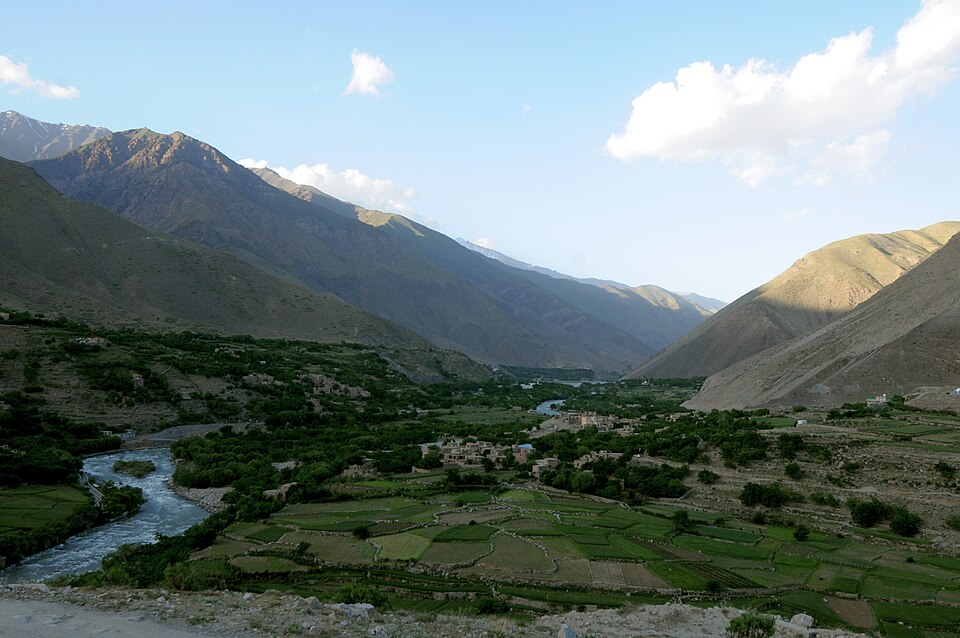
Panjshir · ≈ 35.3° N, 69.6° E
Panjshir valley: emerald
A valley in the Hindu Kush north-east of Kabul, known for emerald. Our emeralds are listed as Panjshir only when the lab report or supplier documents support it.
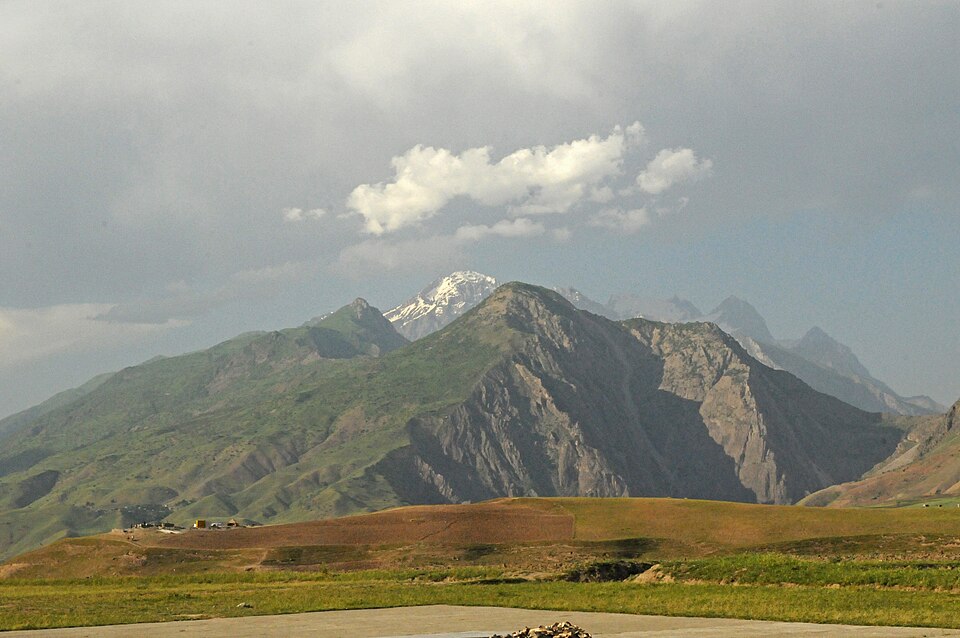
Sar-e-Sang, Badakhshan · ≈ 36.2° N, 70.8° E
Badakhshan: lapis lazuli
A province in the far north-east of Afghanistan, home to the historic lapis deposits around Sar-e-Sang. Lapis is never “Panjshir lapis”.
What we document per stone
| Document | What it shows | Where you see it |
|---|---|---|
| Stone code | A unique code that links the stone to its photos and papers | On every listing and quote |
| Photos & video | The actual stone, not a stock image, in daylight and studio light | On the listing, more on request |
| Measurements | Weight (ct or g) and dimensions in mm | On the listing |
| Lab report | Identity, treatment and, where tested, origin opinion from an independent lab | Lab, number and date on the listing; copy before purchase |
| Supplier documents | The route from source to us, as far as documented | Summary per lot, on request |
What we do not claim
Some words are common in gemstone marketing but are hard to prove. We only use them for a specific stone if we can show the evidence.
- “Conflict-free”: we describe our due-diligence steps instead.
- “Untreated”: only if the lab report says so, for that stone.
- “Direct from the mine”: we describe the actual supply route.
- “Investment grade” or expected returns: we sell gemstones, not investments.
Due diligence and sanctions
We follow the approach of the OECD Due Diligence Guidance for Responsible Supply Chains of Minerals: know where material comes from, identify risks along the route, and act on them.
Our policy: for every delivery route, we screen the parties involved against EU and UN sanctions lists before we buy. Where we cannot document a route well enough, we do not buy.
Independent laboratories
Lab reports come from independent gemmological laboratories. The lab name is shown on each listing. If you prefer a particular laboratory, we can arrange testing there before you buy, at a cost agreed in advance.
Looking for a particular stone?
Tell us what you need. The quickest way is WhatsApp; the quote form works too.