In short
- Emeralds are priced per carat; total price = price per carat × carat weight.
- Colour matters most, followed by clarity and the degree of treatment.
- Price per carat rises with size, so a 2 ct stone costs more than two 1 ct stones.
- Only compare quotes for stones with comparable lab reports.
How emerald prices are quoted
In the trade, coloured stones are almost always quoted per carat. The total price is the price per carat multiplied by the weight. A 1.40 ct emerald offered at a given price per carat therefore costs 1.4 times that amount. When you compare offers, always convert them to price per carat first.
Price per carat is not fixed for a type of stone. It depends on the individual stone, which is why serious sellers quote stone by stone rather than publishing a single price list.
1. Colour: the largest factor
For emerald, colour drives the price more than anything else. Buyers look at three things:
- Hue: pure green to slightly bluish green is usually preferred over yellowish green.
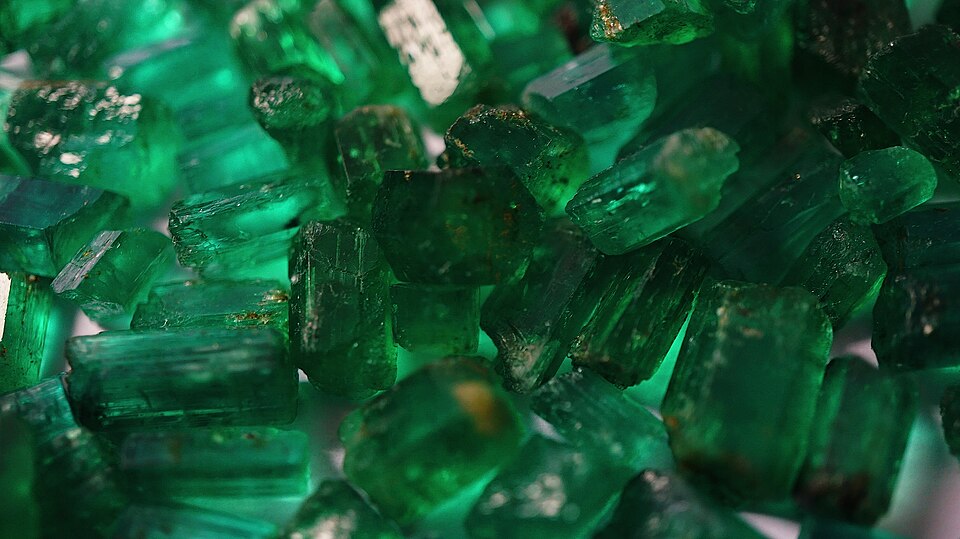
- Tone: medium to medium-dark. Very light stones are sometimes sold as green beryl; very dark stones lose brightness.
- Saturation: vivid, even colour commands the highest prices.
Judge colour in daylight and under the lighting your customers will see. A stone that looks right in a sunny showroom can look flat under warm shop lights.
2. Clarity and treatment
Almost all natural emeralds contain inclusions, often called the jardin. Eye-clean emeralds are rare and priced accordingly. What matters most for value is whether inclusions threaten durability or reach the surface, and how visible they are face-up.
Most emeralds are clarity-enhanced with oil or resin to make fissures less visible. Laboratories usually grade the degree, for example none, minor, moderate or significant. The less enhancement, the higher the price per carat. Untreated emeralds with good colour are among the most expensive coloured stones; that is exactly why the claim needs a lab report. See also how to read an emerald lab report.
3. Carat weight
Large, fine emeralds are much rarer than small ones. As a result, price per carat increases with size: a fine 3 ct stone is not three times, but several times more expensive than a comparable 1 ct stone. Calibrated small sizes for setting are priced very differently from single centre stones.
4. Cut
A good cut shows even colour, limits dark areas and keeps the stone durable. The classic emerald cut (step cut with cut corners) protects the stone; ovals and cushions often keep more weight. A stone cut deep to save weight may weigh more but look smaller and darker, which lowers its value per carat.
5. Origin and documents
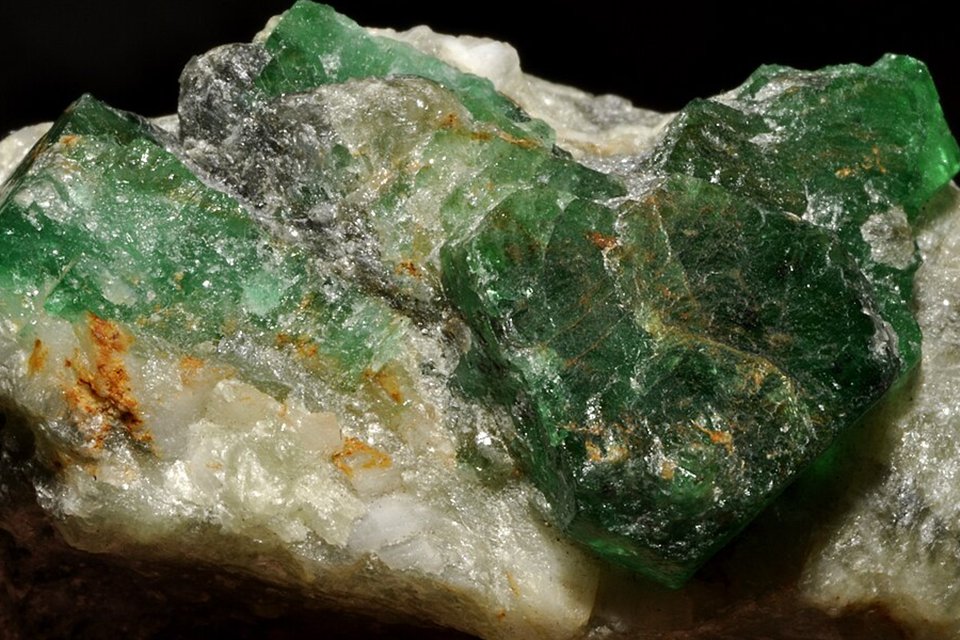
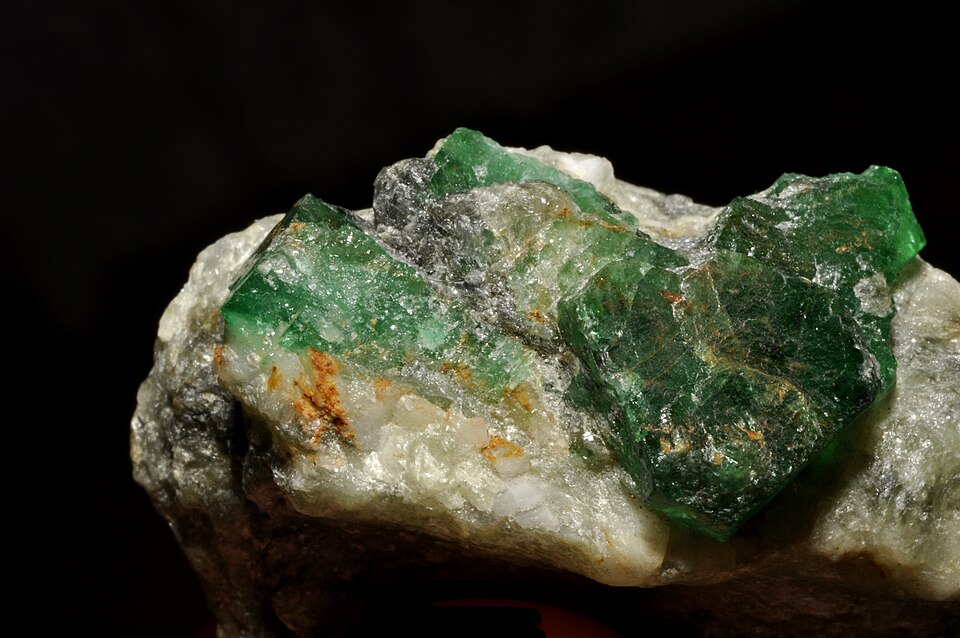
Origin can influence price, but only when it is supported by a report from a laboratory that performs origin determination. Panjshir emeralds from Afghanistan are respected for their bright colour, but an origin name without evidence adds nothing. Read more on our Origin & Transparency page.
How to compare two quotes
- Convert both to price per carat.
- Check that both stones have a report from an independent laboratory, and compare the treatment degree.
- Compare colour side by side, in the same light, from photos and video taken the same way.
- Check measurements, not just weight: a deep stone can face up smaller.
- Ask what is included: VAT, insurance, shipping and return terms.
How Kohvand quotes
We quote per stone, in writing, with the price per carat, total price, the lab report or supplier documents and the delivery terms. Ask about a specific stone via our quote form or WhatsApp, or browse our Panjshir emeralds. How we work with jewellers and wholesalers is explained on our page for professionals.