In short
- Natural emeralds almost always show inclusions; a flawless, cheap “emerald” is a warning sign.
- Lab-grown emeralds are real emerald chemically, but not natural, and must be disclosed.
- Doublets and triplets show a join line when viewed from the side.
- Only a report from an independent laboratory settles identity, treatment and origin.
What “real” can mean
When people ask whether an emerald is real, they usually mean one of four questions:
- Is it emerald at all, or glass or another green stone?
- Is it natural, or grown in a laboratory?
- Is it one piece, or an assembled stone?
- Has it been treated, and how much?
Imitations: glass and other green stones
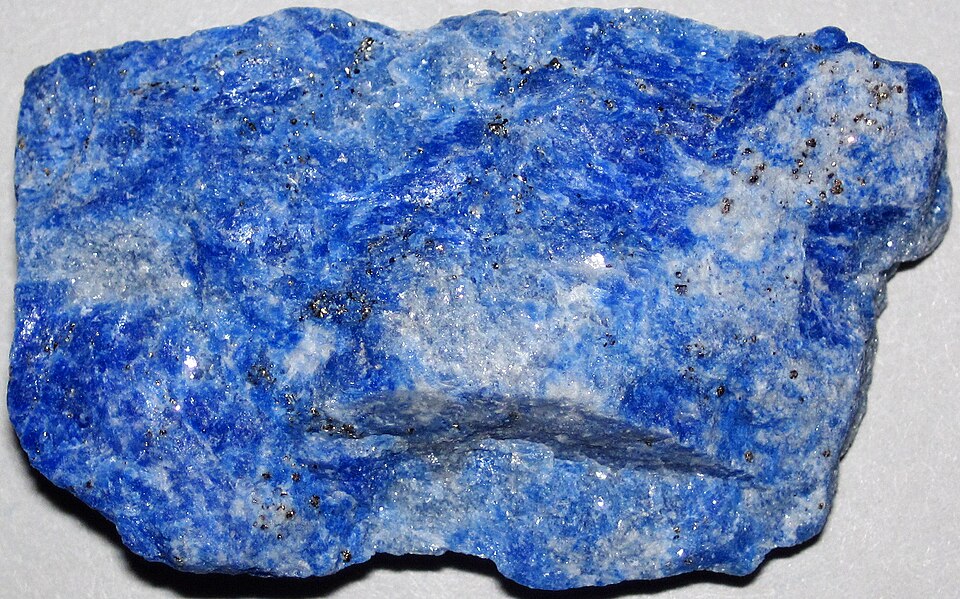
Green glass can look convincing, but often shows round gas bubbles, swirl marks and worn facet edges. Other green gems such as green tourmaline, tsavorite garnet, peridot or green fluorite can look similar but have different optical properties that a gemmologist can measure quickly.
Lab-grown (synthetic) emerald
Synthetic emeralds have the same chemistry as natural emerald and are grown by flux or hydrothermal methods. They are not fakes, but they are not natural, and they must always be sold as lab-grown. They can show typical inclusions, such as wispy flux veils or regular growth patterns, but separating them reliably requires laboratory equipment.
Doublets and triplets
An assembled stone is made of layers glued together, for example colourless crowns with a green layer between them. Look at the stone from the side, ideally immersed in water: a flat join line or a colour layer that stops at a plane is a clear sign.
Treatment
Most natural emeralds are clarity-enhanced with oil or resin. That is accepted in the trade, as long as it is disclosed with its degree. Under magnification, filled fissures can show a flash effect or trapped bubbles. See how to read an emerald lab report for how labs describe treatment.
Quick checks, and their limits
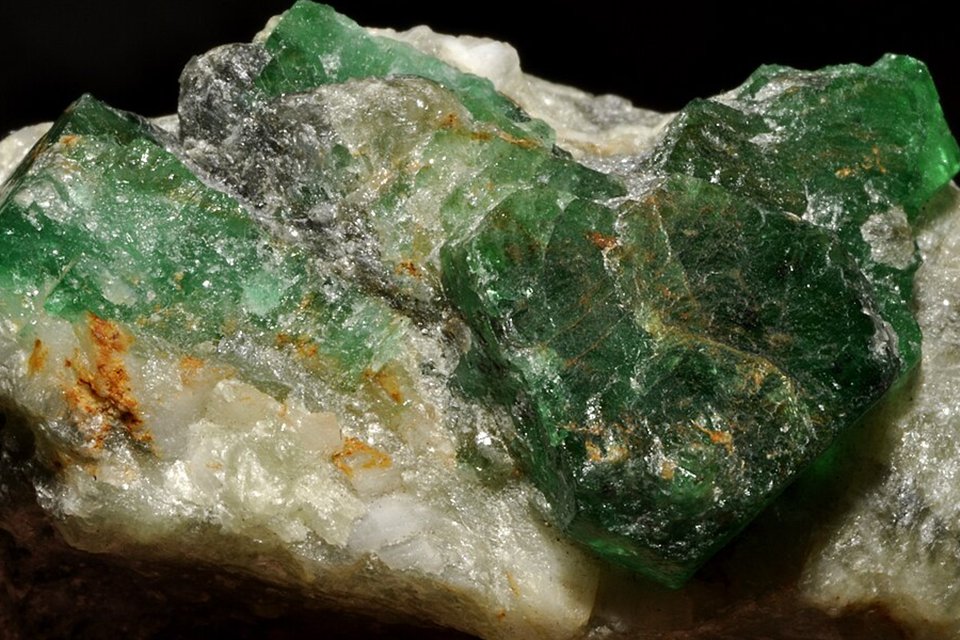
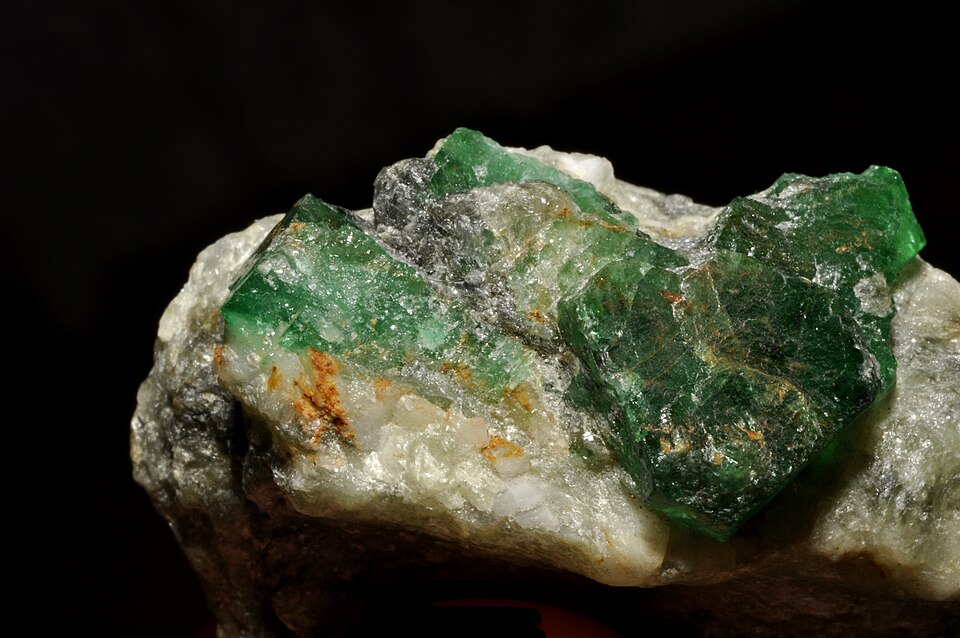
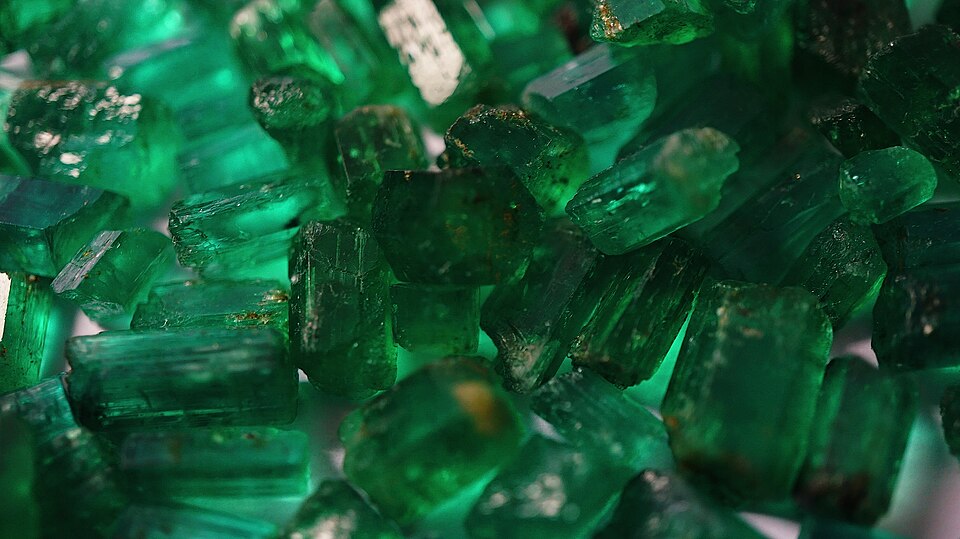
- Inclusions: look with a 10× loupe. Natural emerald usually shows a “garden” of inclusions. A large, flawless and inexpensive stone deserves suspicion.
- Price: fine emerald is never cheap. An offer far below the market is usually explained by imitation, synthesis or heavy treatment.
- Documents: ask who issued the report, and verify the report number with the laboratory where possible.
None of these checks proves that a stone is natural. They only help you decide whether a stone is worth sending to a laboratory.
How Kohvand handles this
Every emerald we list shows the lab, report number and date where a report exists, and we send a copy before purchase. If you prefer your own laboratory, we can arrange testing there. See our Origin & Transparency page and our Panjshir emeralds.